
Fire Alarm Keeps Going Off? 9 Causes and How to Fix It
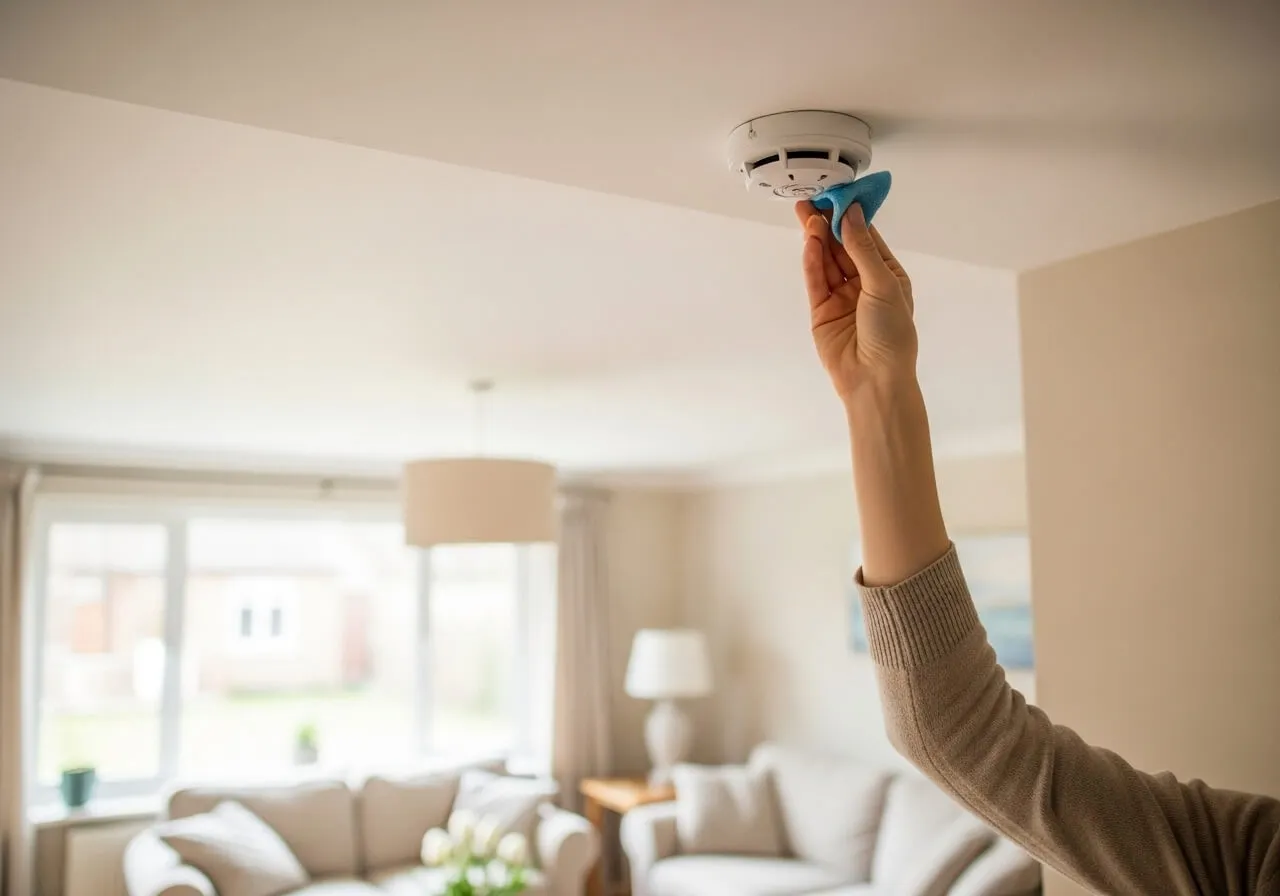
If your fire alarm keeps going off for no reason, the cause is nearly always one of nine things: dust inside the detector, steam, cooking fumes, a low battery, humidity, chemical fumes, old age, incorrect placement, or — in commercial buildings — a damaged manual call point. Start with the detector that triggered, clean it, and work through the list below. If false alarms are happening repeatedly in a business premises, get a professional inspection.
A fire alarm keeps going off for a reason — detectors don’t activate without cause, even when it feels completely random. Nine times out of ten, the unit is reacting to something in its immediate environment rather than signalling a fault with the system itself. This guide covers every likely cause in order of how common they are, with a practical fix for each. If you’re responsible for a commercial premises in Kent or Orpington, there’s a section towards the end specifically for you.
Ionisation vs Photoelectric: Why Your Alarm Type Affects False Alarms
Knowing which type of detector you have helps enormously when tracing the cause of a false alarm — the two main technologies respond differently to the same triggers.
Ionisation detectors contain a small amount of Americium-241 which ionises the air between two charged plates, creating a continuous low electrical current. When smoke particles enter the chamber, they disrupt that current and trigger the alarm. These units respond quickly to fast-flaming fires but are more prone to false activations from cooking fumes and particles in the air.
Photoelectric (optical) detectors use a light source and sensor inside a chamber. In clean air, the beam doesn’t reach the sensor. Smoke scatters the light and completes the circuit. These handle cooking fumes better but are more easily triggered by dense steam or dust. Some modern optical units are marketed as “toast-proof” for exactly this reason.
Dual-sensor detectors combine both technologies in a single unit, giving broader coverage with fewer nuisance alarms overall. UK manufacturers Aico and FireAngel both offer dual-sensor models worth considering for kitchens and high-humidity areas.
| Detector type | Better at detecting | More prone to false alarm from |
|---|---|---|
| Ionisation | Fast-flaming fires | Cooking fumes, aerosols |
| Photoelectric (optical) | Slow, smouldering fires | Steam, dust, high humidity |
| Dual-sensor | Both fire types | Fewer nuisance alarms overall |
9 Reasons Your Fire Alarm Keeps Going Off
Work through this list starting with the detector that activated. If you have an addressable fire alarm system, the control panel will identify the exact device — start there rather than checking the whole building.
1. Dust and Debris Inside the Detector
Dust is the single most common cause of a fire alarm going off for no reason. Over time, particles accumulate inside the sensing chamber and either obstruct the sensor or scatter light in a photoelectric unit, mimicking smoke. A quick clean sorts it in most cases. Use a soft brush vacuum attachment on the outside casing, or a can of compressed air aimed through the vents. Do this every three to six months as standard — it’s the simplest bit of fire alarm maintenance and it makes a noticeable difference.
2. Steam and High Humidity
Dense moisture particles behave like smoke to a photoelectric detector. If the alarm keeps triggering after showers or when a large pan is boiling, humidity is almost certainly the culprit. The fix is straightforward: run an extractor fan whilst the steam source is active, and check that the detector is positioned at least three metres from bathrooms and cooking appliances. Where repositioning isn’t practical, a heat detector — which responds to temperature rather than particles — is usually the right choice for that specific location.
3. Cooking Fumes
Burning toast, searing meat, and frying all release fine particles that trigger sensitive detectors, particularly ionisation types sited near the cooker. Always run the cooker hood during cooking. If the detector is directly above or beside the hob, it needs to move — correct placement from the outset prevents most kitchen-related false alarms. A heat detector in the kitchen, linked into the wider system, is the recommended approach in most commercial catering environments.
4. Low or Failing Battery
An intermittent chirp every 30 to 60 seconds is distinct from a full alarm activation — that’s the low-battery signal, not a fire warning. Replace the batteries in all your detectors annually, or immediately on hearing the chirp. Clean the contacts with a dry cloth if they look corroded. Even detectors rated for a 10-year sealed battery can fail early if the unit is old or has an internal fault, so age is always worth checking alongside the battery itself.
5. Chemical Fumes and VOCs
Fresh paint, solvents, strong adhesives, aerosol sprays, and even new furniture off-gassing can release volatile organic compounds that a detector reads as smoke. When using any strong chemicals, ventilate thoroughly — open windows, run fans — and keep aerosols well away from detector heads. If you’re redecorating a room, the detectors in that immediate area may need temporary covering during the work, but uncover them immediately once ventilation has cleared the fumes.
6. An Old or Faulty Unit
Most manufacturers recommend replacing smoke detectors every 8 to 10 years. The sensor degrades over time and becomes unreliable — sometimes triggering without cause, sometimes, more worryingly, failing to detect a real fire. Check the manufacture date on the label on the back or underside of the unit. If it’s past its replacement date, swap it without delay. If you’ve worked through every other cause in this list and the alarm still keeps going off, the unit itself is almost certainly the problem.
7. Incorrect Placement
Detectors fitted too close to kitchens, bathrooms, fireplaces, or air conditioning vents are consistently prone to nuisance alarms. Drafts from ceiling fans and air vents can blow dust into the sensing chamber or, conversely, divert smoke away from it. The general rule: fit detectors on the ceiling, away from corners, not directly above cooking or bathing areas, and not in the direct path of air currents from any mechanical ventilation.
8. Electromagnetic Interference
Less common, but worth knowing about: certain fluorescent fittings with older ballasts, dimmer switches, and some electrical appliances can generate electromagnetic interference that triggers sensitive alarm circuitry. If a detector is positioned directly adjacent to a light fitting or appliance and keeps activating without any other obvious cause, switch the suspect device off temporarily to test whether the activations stop.
9. Damaged Manual Call Points (Commercial Buildings)
In commercial premises, the red “break glass” manual call points are a frequent source of false activations. They can be knocked accidentally in busy corridors, caught during maintenance work, or deliberately triggered. Fit hinged protective covers over call points in high-traffic areas: these require a deliberate two-step action to activate, which eliminates accidental triggers whilst still allowing rapid use in a genuine emergency. Inspect all call points visually during routine maintenance rounds.
Why Does My Fire Alarm Go Off at Night for No Reason?
This has a specific explanation, and it’s nearly always the battery. Batteries lose voltage more readily at lower temperatures. Between roughly 2am and 6am, when a building is at its coolest, a borderline battery drops just enough to trigger the low-battery chirp — or in some cases, a brief full activation — and then stops as the temperature rises a few degrees towards morning.
If your fire alarm goes off in the middle of the night and stops without any sign of smoke, replace the battery the following morning even if the unit seems fine during the day. Sealed long-life units past their service life can behave identically.
How to Stop a Fire Alarm Beeping or Sounding
Always confirm there is no fire or smoke before silencing any alarm. Once you are certain there is no genuine emergency, work through these steps in order:
- Press the Test, Silence, or Hush button. Hold it for 5 to 15 seconds. This silences most nuisance activations for a short period or resets the unit after a brief trigger. It will not permanently fix a low-battery chirp — only replacing the battery does that.
- Reset at the fuse board (mains-wired alarms only). Locate the circuit breaker for the alarm circuit, switch it off for 15 to 20 seconds, then back on. Most hard-wired detectors also carry a backup battery — combine this step with checking that battery if the alarm continues after the reset.
- Disconnect the unit as a last resort. For a battery-powered unit, open the compartment and remove the battery. For a hard-wired unit with backup battery, switch off the mains circuit at the fuse board first, then twist or slide the unit off its mounting bracket to disconnect it, then remove the backup battery. Only do this temporarily — never leave your property without working detectors in place.
Once the alarm is silenced, work through the nine causes above to identify the root trigger before it happens again.
Fire Alarm Maintenance: How to Prevent False Alarms
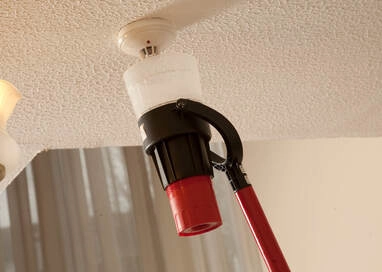
Regular maintenance is the most effective way to reduce nuisance activations and, more importantly, ensure your system performs when it genuinely needs to. For commercial premises, it is also a legal requirement under BS 5839-1. Our guide to British Standards for fire and security systems covers the relevant standards and what compliance looks like in practice.
- Weekly (commercial premises): Activate the test button on at least one detector, rotating through the system to test every device over time. BS 5839-1 requires weekly testing for non-domestic premises.
- Every six months: Clean all detector heads with compressed air or a soft brush vacuum. Check for visible obstructions, damage, or contamination near each unit.
- Annually: Replace batteries across all detectors. Check manufacture dates and flag any units approaching the 8 to 10 year replacement threshold.
- Ongoing: Log every activation — wanted or unwanted — along with the zone, time, and likely cause. A digital fire security logbook makes this straightforward and creates an auditable record for compliance purposes.
What Businesses in Kent Should Know About Repeated False Alarms
False alarms cost UK businesses in the region of £696 million annually according to the Fire Industry Association.1 Nine out of ten unwanted activations result in a full evacuation, and repeated false alarms breed the more dangerous problem of complacency — staff stop treating activations seriously.
Under the Regulatory Reform (Fire Safety) Order 2005, the Responsible Person for any commercial premises must ensure fire detection systems are maintained and unwanted activations investigated. Persistent false alarms can also cause the local fire service to downgrade their attendance priority for your address.
In our experience with commercial clients across Orpington, Kent, and Greater London, the three most common causes in business premises are: dust in older detector heads, unprotected manual call points in busy corridors, and detectors too close to catering equipment. A maintenance contract addresses all three. Our overview of fire safety systems covers what a complete commercial installation involves.
When to Call a Fire Alarm Engineer
Most domestic nuisance alarms are fixed with a clean, a battery change, or a repositioned detector. Call a qualified engineer if:
- You’ve worked through every cause in this guide and the alarm still keeps activating
- You have an interconnected or hard-wired system and are not confident investigating it safely
- You manage a commercial premises and need legally compliant testing and certification under BS 5839-1
- A detector is at or past its 10-year replacement threshold and you need the correct device category confirmed for the room
- You need a formal false alarm investigation report for your insurer
Triple Star Fire & Security is BAFE-accredited and SSAIB-approved, with engineers covering Orpington, Kent, and London. We’ve been installing and maintaining commercial fire alarm systems since 2006. If your system needs attention, a site visit is the right first step.
Frequently Asked Questions
Why would my fire alarm randomly go off then stop?
If an alarm activates briefly and stops on its own, the detector sensed something transient — dust, a brief waft of cooking fumes, or a passing insect — that cleared before you could identify it. Ionisation detectors are particularly sensitive to these fleeting particles. Clean the detector, check its age, and note whether the activations follow a pattern. If it keeps happening without a consistent environmental cause, the sensor inside the unit is most likely degrading and the unit should be replaced.
Why did my smoke alarm go off in the middle of the night?
Almost always the battery. Battery voltage drops as temperature falls, and between 2am and 6am — when most buildings are at their coolest — a battery that’s borderline during the day can dip just enough to trigger the chirp or a brief full activation. It then stops as the building warms up slightly towards morning. Replace the battery as soon as possible. If the unit is a sealed long-life model that has been in place for several years, the whole detector may need replacing rather than just the battery.
What happens if a fire alarm goes off for no reason?
Treat every activation as real until you have confirmed otherwise. Check the area for smoke or signs of fire before attempting to silence the alarm. Once you have confirmed it’s a false activation, work through the nine causes in this guide to identify the trigger. In a commercial premises, log the activation — time, zone, and likely cause — as part of your BS 5839-1 compliance records. Repeated activations without a confirmed cause should prompt a professional inspection.
How do I stop my fire alarm from going off randomly?
Start with the detector that triggered and clean it first — dust is the most common cause and it takes two minutes. Check the battery and the unit’s age. Verify the detector is correctly positioned away from kitchens, bathrooms, and air vents. On a commercial system with a control panel, check the event log for which zone activated and whether there’s a repeated pattern across time or location. Working through the cause list systematically is faster than replacing detectors at random.
Why do all my fire alarms go off at the same time?
Simultaneous activation across all units means you have an interconnected system — when one detector triggers, it signals every linked alarm to sound at the same time. This is an intentional safety feature designed to ensure an activation in one part of a building alerts everyone elsewhere. Identify which device triggered first using the control panel event log on an addressable system, then investigate that specific detector rather than the whole installation.
Should I be worried if my fire alarm randomly goes off?
A single isolated activation with a clear cause — you were cooking, someone was showering — usually just needs the trigger addressed. Repeated activations without a consistent, identifiable cause are worth taking seriously, particularly in an older detector or a commercial premises. In any business building, an activation that cannot be attributed to a known cause should be logged and investigated. The risk is not the nuisance alarm itself, but the complacency it breeds if left unresolved.
If your fire alarm needs attention, call Triple Star Fire & Security on 0203 189 1960, email info@tsfands.com, or use our contact page. Triple Star Fire & Security, Unit 2, Murray Business Centre, Murray Road, Orpington, BR5 3RE.
Sources
- Fire Industry Association — One Third of UK Businesses Failing to Test Fire Alarms in Line with the Law
- BAFE — British Approvals for Fire Equipment
- NSI — National Security Inspectorate
- Regulatory Reform (Fire Safety) Order 2005 — legislation.gov.uk
- FM Industry — False Fire Alarms Costing UK Businesses £696 Million Annually